
Each case below states the governing hazard and the construction that answers it.
Main feeders along roadways and shafts exposed to impact and rock fall, with flame-retardant requirements in confined space. Armoured construction resists crushing while the flame-retardant sheath limits flame propagation.
Trailing cables for shearers, roadheaders and continuous miners under constant dragging and flexing. EPR rubber construction absorbs the movement that would fatigue a rigid cable.
Trailing cables for electric shovels, drills and bucket-wheel excavators on reeling and drag duty, exposed to abrasion and outdoor weathering.
Power and control circuits for auxiliary mine systems — ventilation fans, hoists, conveyors and drainage pumps.
Intrinsically safe circuits for gas monitoring, personnel positioning and communication in gaseous atmospheres, where the circuit energy must stay below the ignition threshold.
Cable selection for explosion-protected equipment requires verification of equipment approvals, cable properties and installation conditions. Light-duty cables for tools and temporary lighting must be assessed separately.
Typical construction by mine condition.
| Mine condition | Recommended construction |
|---|---|
| Underground roadway fixed supply | Mining armoured power cable, flame-retardant sheath |
| Coal face / shearer supply | Flexible rubber trailing cable (1.9/3.3 – 3.6/6 kV) |
| Open-pit shovel / drill | Open-pit trailing cable |
| Control and automation | Mining shielded control cable |
| Gas monitoring / positioning | Mining IS communication cable |
| Gaseous / dusty zone | Mining explosion-proof cable |
| Hand tools / temporary lighting | Mining light duty flexible cable |
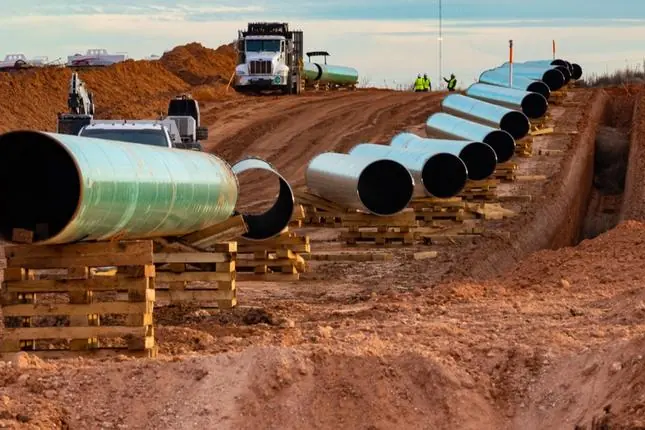
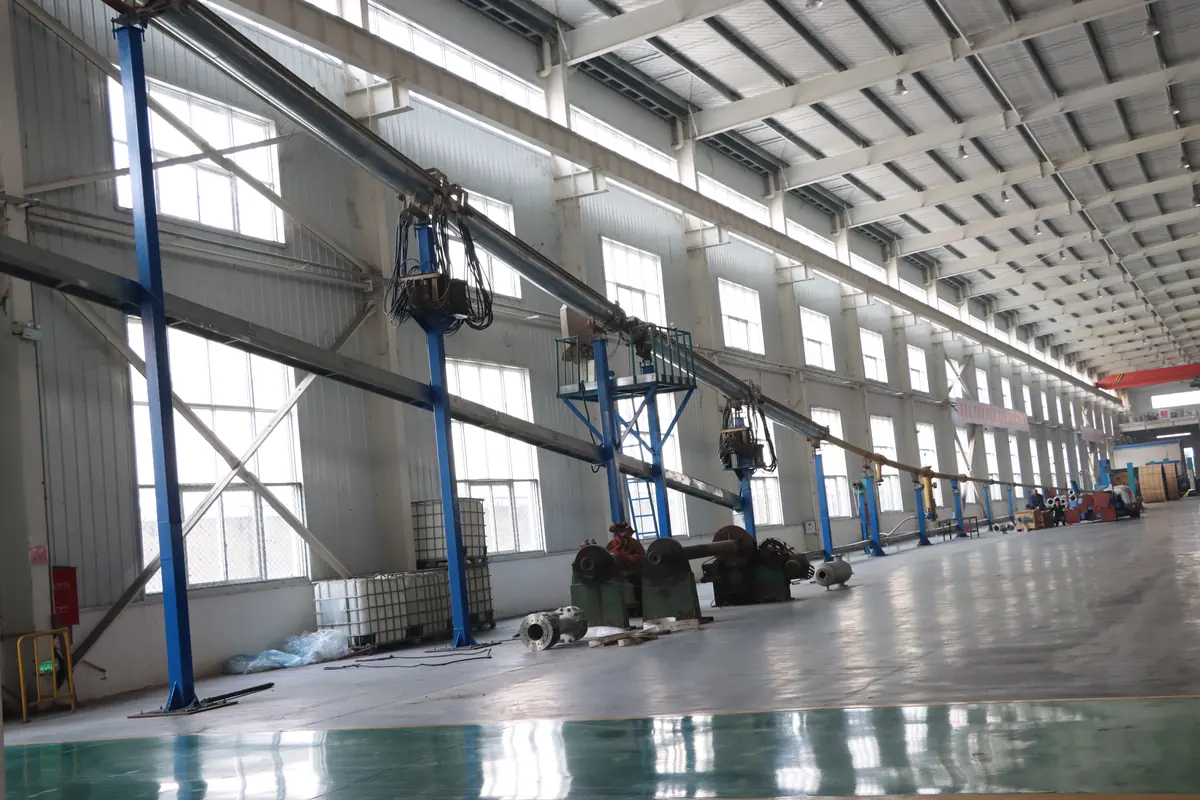
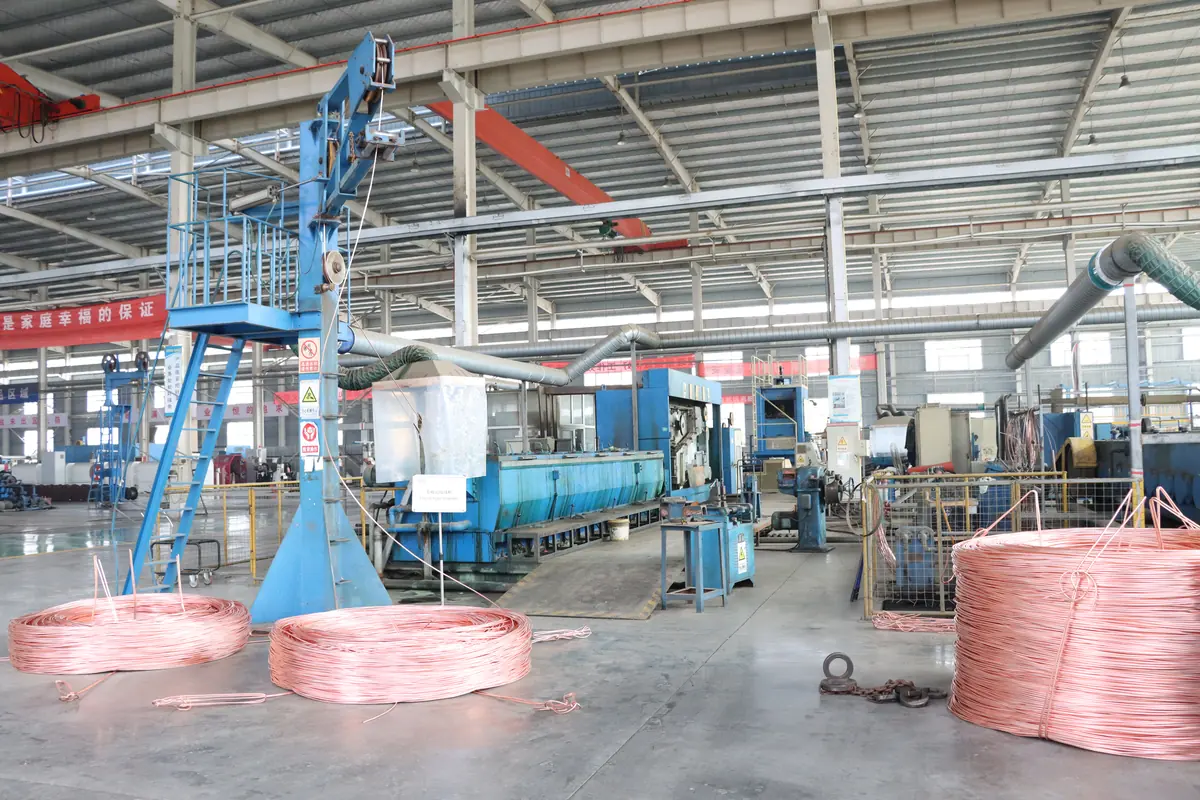
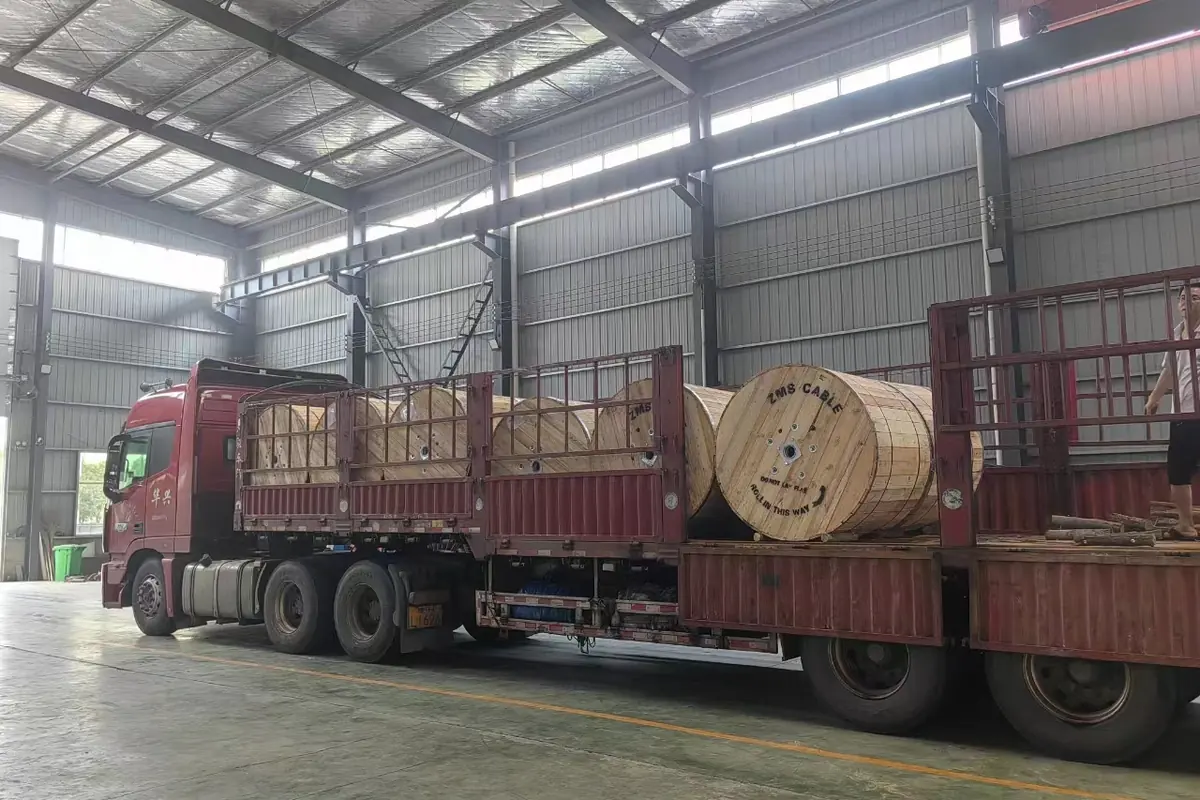
Routes, plant and project conditions from our own deliveries — the same inputs that decide the construction quoted for your line.
Include voltage grade, conductor size, core count, cable type and total length. Our engineers reply with a construction datasheet, a standards reference and lead time.
Request a Quote